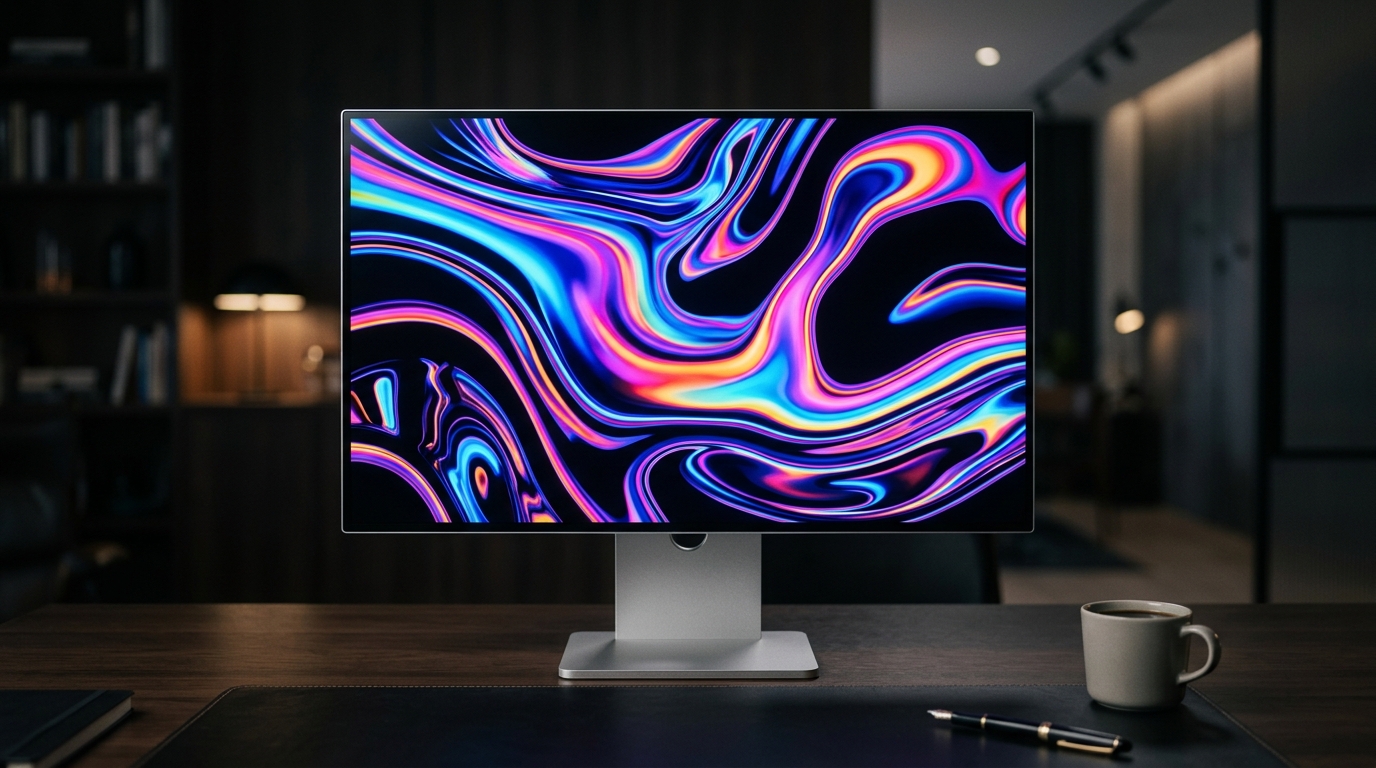
MSI Unveils Next-Generation 32-Inch QD-OLED Gaming Monitors
MSI has officially expanded its high-end display lineup with the launch of new 32-inch QD-OLED gaming monitors, targeting enthusiasts who demand the highest levels of visual fidelity and speed. These new models, specifically the MPG 321URX and the MAG 321UPX, represent a significant leap forward in display technology by combining 4K resolution with the ultra-fast response times inherent to OLED panels. These displays utilize Samsung’s latest third-generation QD-OLED technology, which offers improved color vibrancy and better subpixel arrangements for clearer text rendering.
At the heart of these new displays is a 3840 x 2160 resolution panel capable of a 240Hz refresh rate. This combination provides a sharp image quality that does not compromise on motion fluidity, making it a versatile choice for both competitive shooters and cinematic open-world games. With a rated 0.03ms Gray-to-Gray (GtG) response time, motion blur is effectively eliminated, providing a level of clarity that traditional LCD panels struggle to match.
Advanced Cooling and Longevity Features
One of the primary concerns with OLED technology remains pixel burn-in. MSI has addressed this with the implementation of MSI OLED Care 2.0, a suite of protective features designed to extend the lifespan of the panel. This updated system includes several new detection mechanisms, such as Multi-Logo Detection, Taskbar Detection, and Boundary Detection, which automatically dim specific areas of the screen when static elements are present to prevent permanent damage.
To ensure the monitors remain cool during extended gaming sessions without the noise of an internal fan, MSI has utilized a premium thermal design. Key features of the cooling solution include:
- Custom-engineered heatsinks for efficient heat dissipation.
- A graphene film layer that helps spread heat evenly across the back of the panel.
- A fanless design that improves long-term reliability by removing moving parts.
By focusing on passive cooling, MSI ensures that the monitors operate silently while maintaining the thermal envelope required to protect the delicate QD-OLED pixels.
Connectivity and Productivity Tools
The flagship MPG 321URX model is designed with modern connectivity in mind, featuring a USB-C port with 90W Power Delivery. This allows users to connect a laptop with a single cable to handle video signals, data, and charging simultaneously. The MAG 321UPX version offers a more streamlined experience, providing 15W Power Delivery via its USB-C port, making it better suited for users who do not require high-power laptop charging at their desk.
Both models come equipped with HDMI 2.1 ports that support the full 48Gbps bandwidth. This makes them fully compatible with the latest gaming consoles, enabling 4K 120Hz gameplay with Variable Refresh Rate (VRR) and Auto Low Latage Mode (ALLM). For PC users, DisplayPort 1.4a provides the necessary bandwidth to drive the 240Hz refresh rate at full resolution using Display Stream Compression (DSC).
Comparison Between MPG and MAG Series
While both monitors share the same underlying panel technology and core performance metrics, the MPG series is positioned as the more premium option. The MPG 321URX features customizable RGB lighting through Mystic Light and supports the MSI Gaming Intelligence app, which allows users to adjust monitor settings directly through Windows. Additionally, the MPG model is eligible for firmware updates via USB, ensuring that users can access the latest software optimizations over time.
In contrast, the MAG 321UPX focuses on delivering the core QD-OLED experience at a more competitive price point. It lacks the extensive RGB lighting and the high-wattage power delivery of its sibling but retains the same 240Hz 4K performance and OLED Care 2.0 features. This segmentation allows MSI to reach a wider range of gamers who may prioritize panel performance over secondary features.
Market Impact and Future Outlook
The introduction of 32-inch 4K 240Hz monitors marks a turning point for the display industry. Previously, gamers had to choose between the high pixel density of 4K or the extreme fluidness of high-refresh-rate 1440p displays. By bridging this gap, MSI is setting a new standard for what a flagship gaming monitor should offer. As QD-OLED production scales, these displays are becoming increasingly accessible to the wider enthusiast market.
As these units hit retail shelves, they are expected to be highly sought after by users upgrading from older IPS or VA technologies. The combination of infinite contrast ratios, vivid colors, and instantaneous response times makes the new MSI 32-inch lineup a formidable contender in the high-end monitor space.