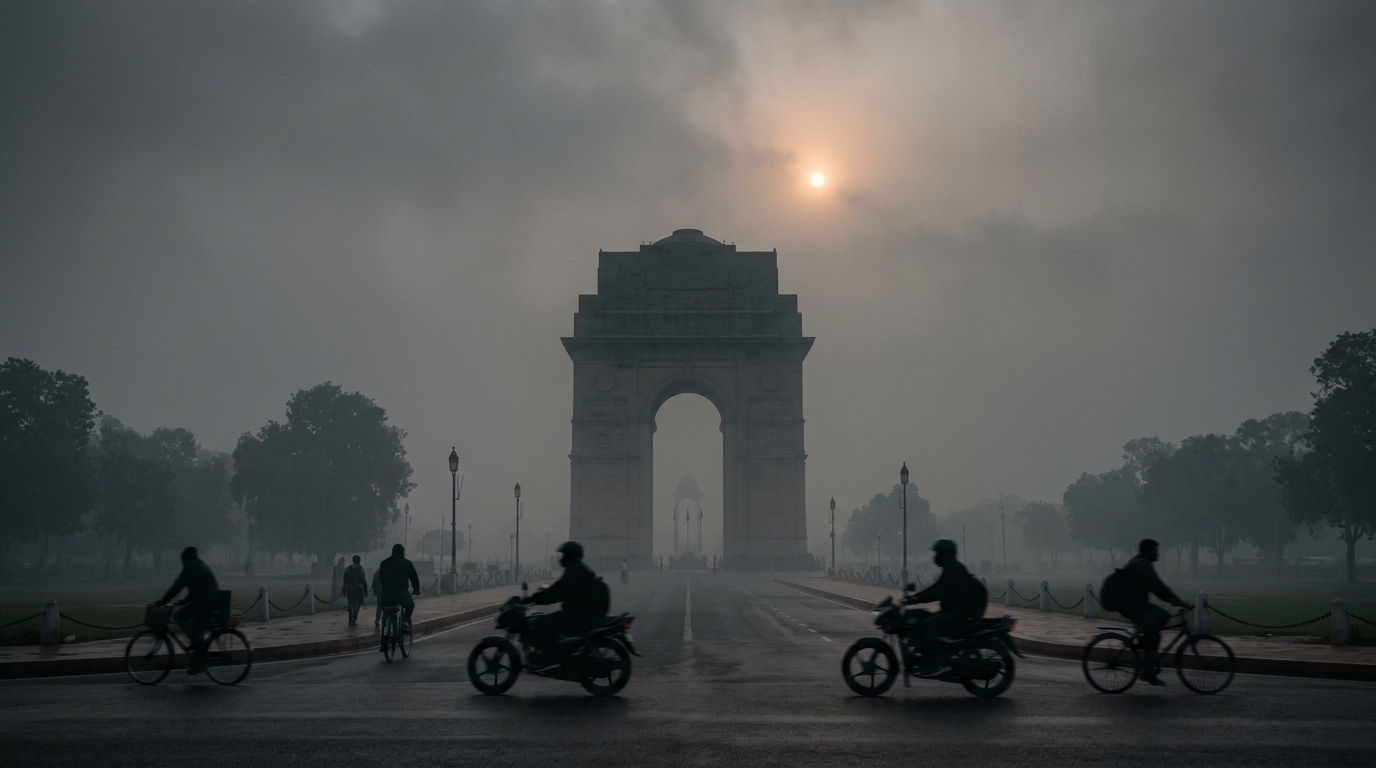
Delhi is facing a severe pollution crisis as air quality levels plummet into the 'hazardous' category across several monitoring stations. The city is currently blanketed in a thick layer of smog, driven by a combination of falling temperatures, low wind speeds, and the seasonal burning of crop residue in neighboring states. Authorities have initiated emergency measures to curb the rising toxicity in the air.
Residents have reported widespread respiratory issues and eye irritation, leading to a surge in hospital visits. In response, the government has implemented stricter restrictions under the Graded Response Action Plan, which includes a ban on non-essential construction and limits on certain vehicle categories. Schools in several districts have also shifted to online classes to protect children from the deteriorating outdoor conditions.
Environmental experts warn that the situation remains critical as the winter season approaches. While long-term strategies like increasing green cover and promoting electric vehicles are underway, immediate relief remains dependent on favorable weather patterns. Public health advisories continue to urge citizens to wear masks and avoid outdoor physical activities during peak pollution hours.